Pain is not a neat sign. It shows up split with fear, culture, expectation, and physiology that rarely behaves like a textbook. PUAEME008 Supply Discomfort Management sits at that joint of scientific research and judgment, where the clinician has to evaluate quickly, deal with securely, and reassess without one-track mind. This device is widely made use of in prehospital and acute care contexts, across rescue, initial responder, remote health and wellness, and event medication duties. It sets well with discomfort monitoring programs for registered nurses and discomfort administration programs for physio therapists who operate in urgent or area settings, and it creates a component of lots of short courses hurting administration aimed at developing sensible capability rather than academic breadth.
This article focuses on exactly how the concepts within PUAEME008 play out under pressure. The following situations and study reflect common dilemmas, sensible timelines, and the sort of compromises that figure out whether your client obtains alleviation without undue risk.
What the unit expects you to do well
PUAEME008 Supply Pain Administration calls for more than experience with analgesic options. It anticipates you to:

- Recognize discomfort quickly, measure it appropriately for the person, and screen for trends. Balance medicinal and non-pharmacological strategies. Apply drugs from your scope of practice safely, with the right indications, dosages, and route. Anticipate unfavorable events, particularly respiratory system anxiety, hypotension, oversedation, and medicine interactions. Communicate clearly, including educated approval, description of choices, and handover to receiving clinicians.
That collection of expectations underpins several a discomfort management certificate course. An excellent pain administration qualification training course stresses choice making as high as pharmacology. In method, the judgment calls issue most.
The initially five minutes: analysis that buys you time
When discomfort is acute and extreme, the lure is to reach for the fastest-acting treatment. Occasionally that is right, often it develops dead spots. An organized approach makes you much faster and safer:
- Get the fundamentals in place: air passage, breathing, flow, disability, direct exposure. A missed out on stress pneumothorax or hemorrhage will not wait while you titrate analgesia. Use a pain scale the individual understands. Numerical (0 to 10) helps several grownups. Encounters scales are handy for youngsters or people with minimal English. In innovative dementia, depend on behavioral cues and verified observational tools if available. Clarify mechanism and red flags. Discomfort with new neurological shortage, breast pain with diaphoresis, serious abdominal pain with securing, or pain after high-speed injury adjustments your danger resistance and analgesic strategy. Start non-pharmacological actions alongside your assessment. Paralyze cracks, elevate injured arm or legs, trendy burns with running water for approximately 20 minutes, and provide tranquil, clear interaction. These are not soft choices, they reduce nociceptive input and usually cut drug needs by a 3rd or more.
The style of assessment defined above attributes strongly suffering administration training programs that straighten with PUAEME008. It pulls you far from auto-pilot dosing and towards targeted care.
Scenario 1: The thigh fracture at a rural motocross track
A 27-year-old rider lays on a dust track, right leg reduced and externally turned. Vitals on arrival: HUMAN RESOURCES 112, BP 128/76, RR 20, SpO2 98 percent on room air, GCS 15. Discomfort score 9 out of 10, gotten worse by any kind of movement. The event is 90 mins from the nearest hospital.
Judgment and series issue right here. First, incapacitate the limb and apply a traction splint if educated and suggested. The mechanical decrease in motion usually goes down discomfort by 2 to 3 factors within minutes. Next off, select an analgesic strategy that fits your scope. In lots of rescue services, inhaled methoxyflurane or titrated IV fentanyl are first-line options for extreme limb pain. If you have IV gain access to, small, regular doses of fentanyl can titrate swiftly with less histamine results than morphine. If IV gain access to is delayed or tough, methoxyflurane can connect effectively while you establish lines and plan for transport.
Two challenges reoccur in this setting. First, providing a large solitary bolus of opioid in a person whose bleeding danger stays unidentified. Although his vitals are stable, you should reassess for concealed injuries, specifically if the accident included high-energy transfer. Second, ignoring antiemetics early. Throwing up in a supine, debilitated patient triggers distress and ambition danger. Administering an antiemetic with the first or 2nd opioid dose frequently stops a mess and a hazard.
Over the following hour, you will require to reassess repetitively. Pain can surge with loading and unloading. File the fad: 9 to 6 after grip, 6 to 4 adhering to 50 micrograms fentanyl IV titrated over 5 minutes, steady vitals, no sedation. This type of note informs the obtaining team what worked, how much, and whether you saw negative impacts. It is the type of paperwork emphasized in any type of qualified give pain management course.
Scenario 2: A chest wall injury in a senior fall
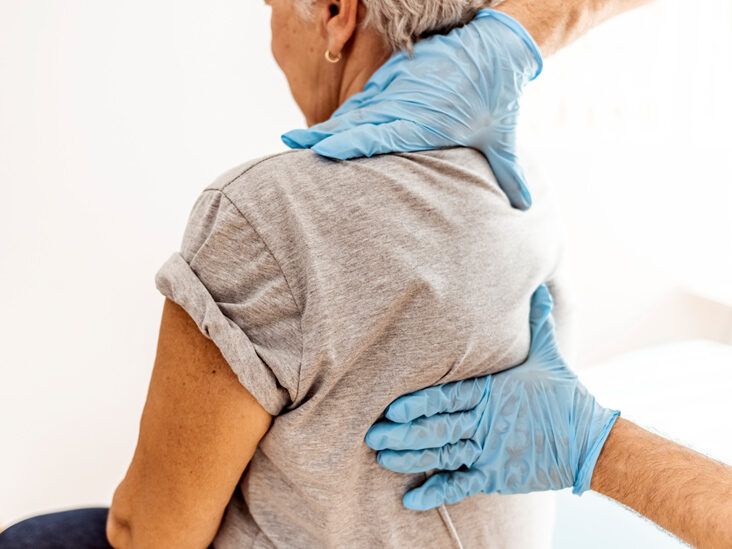
An 83-year-old insinuates her yard and strikes her left breast on a block action. Now she secures the location, breathing superficial, pulse 96, BP 148/84, RR 24, SpO2 94 percent, pain 8 out of 10 with deep breaths. She takes antihypertensives and an everyday anticoagulant for atrial fibrillation.
Chest wall pain in the elderly presents a respiratory system waterfall danger. Superficial breathing results in atelectasis, which invites pneumonia within days. Getting her to take a breath successfully matters as long as comfort. Yet elderly people additionally bring greater risks with opioids: slower metabolic rate, level of sensitivity to sedation, and communication with existing medications.
Non-opioid scaffolding helps. If within scope, think about paracetamol early at suitable application and examine previous intake to prevent cumulative overdose. NSAIDs can lower swelling but should be avoided or made use of carefully in clients with kidney disability, peptic abscess condition, or high blood loss threat, which prevails in this age group. Entonox can assist short-term with motion, though it may be less reliable for extended control.
If an opioid is required, start reduced and go slow-moving. Titrate fentanyl in smaller sized increments, observing respiratory price and sedation ratings. Set analgesia with training and tools: splint the breast with a folded up towel during coughing and guide her through sluggish, deep breaths within her resistance. Clarify why a little discomfort in the brief ruptureds of breathing method avoids bigger troubles later. Education is an analgesic in its very own right, minimizing fear-driven breath holding.
Many discomfort management courses for registered nurses highlight this scenario due to the fact that ward and neighborhood nurses often see the postponed consequences. A discomfort monitoring certificate that includes elderly treatment material will worry the equilibrium between ample relief and respiratory system vigilance.
Scenario 3: Shed pain that escalates after the air conditioning stops
A 9-year-old touches a warm stove door with his lower arm. Parents cooled the melt under running tap water for 15 mins prior to you show up. The burn is shallow partial thickness with blistering over 6 percent of body area. His pain was a 7 throughout cooling, currently climbing to 9 as the water quits. He is distressed, rejecting touch.
Burn pain spikes when cooling down ends. The skin's nociceptors remain very energetic, and anxiousness escalates the experience. Peace of mind alone does not suffice. If your scope includes intranasal fentanyl, it provides fast, needle-free relief. It is specifically valuable when IV access would certainly be a battle in a frightened youngster. Dose carefully based on weight and reassess within mins. If methoxyflurane is available and allowed for paediatric usage in your jurisdiction, it can give excellent procedural analgesia for dressing, with acquainted coaching: breathe slowly, take breaks if dizzy.
Cover the shed with a proper clothing that will not stick. Limiting more exposure to air lowers discomfort. Keep the kid cozy and protect against hypothermia, a danger when air conditioning has actually been generous. Youngsters weaken thermally faster than adults.
There is an usual error in this situation: delaying analgesia up until after the very first dressing is used. In technique, you want analgesia on board prior to you manipulate the injury. The distinction in between a distressing very first clothing and a bearable one will form every succeeding change. Discomfort management training for nurses who staff emergency situation departments often consists of role-play around paediatric burns due to the fact that the very first interaction establishes the tone for family members trust.
Scenario 4: The patient with persistent opioid treatment and severe trauma
A 46-year-old building contractor with a documented history of persistent reduced neck and back pain on lasting opioid therapy falls from a ladder and presents with a distal span fracture. He reports taking modified-release oxycodone 20 mg twice daily and immediate-release 5 mg as much as 3 times a day. He is in serious pain, 10 out of 10, perspiring and light, and specifies that "the common things will not touch this."
Tolerance complicates regular dosing. The threat is twofold. If you underdose, you extend enduring and trigger more sympathetic stress. If you overcorrect without respect for his baseline resistance and total exposure, you take the chance of oversedation when the acute pain subsides. Start by clarifying his last dose and overall day-to-day morphine equivalent where possible. After that plan to titrate short-acting opioid in cautious increments while keeping an eye on sedation and respiratory system price carefully. Consider accessories where within extent: ketamine at sub-dissociative dosages, laughing gas for short procedural discomfort, or a local method if you operate in a setup where nerve blocks are within your training and protocols.
In some systems, paramedics and advanced professionals can utilize low-dose ketamine for extreme acute pain, specifically in opioid-tolerant patients. It frequently lowers the complete opioid demand and protects air passage reflexes when emergency pain management techniques dosed thoroughly. Discuss adverse effects freely, particularly dysphoria. A calmness, matter-of-fact description goes a lengthy way to stop panic if the experience really feels odd.
This holds true that separates algorithmic application from authentic discomfort monitoring proficiency. It is covered thoroughly in innovative discomfort management training programs, including certificate program hurting monitoring programs that take on complex pharmacology, tolerance, and hyperalgesia.
Scenario 5: Stomach discomfort where less is more
A 31-year-old presents with ideal lower quadrant pain for 6 hours, worsened by activity, anorexia, mild high temperature. Vitals are steady. Clinical uncertainty for appendicitis is high. He wants solid pain alleviation now.
Older misconceptions suggested withholding analgesia masks the diagnosis. Proof does not support that placement. Suitable analgesia does not conceal peritonism or change the demand for imaging and medical assessment. Still, you select representatives that do not add confounders. Titrate opioid in small amounts with antiemetic cover and screen action. Avoid NSAIDs if there is a threat of bleeding or kidney injury, though in secure patients without contraindications, NSAIDs can reduce opioid demand. Do not offer antispasmodics that could shadow the professional photo, unless guided by regional protocol.
In emergency discomfort management, the skill depends on looking for change. If pain and protecting pain management certification course instantly worsen, that matters more than the outright number on a scale. Your reassessments assist urgency and transport priority.
Non-pharmacological bars that genuinely transform outcomes
Clinicians sometimes disregard non-drug strategies as soft. In real-world technique, they typically change pain trajectories more than one more 10 micrograms of opioid would.

- Positioning: Raise the damaged limb for sprains and fractures. Keep the neck midline for cervical tenderness. Bend the hips slightly for peritoneal irritability. Little modifications can go down pain ratings rapidly. Immobilization: A well-applied splint transforms bony discomfort. Reassess blood circulation, experience, and motion after application and at periods because swelling evolves. Temperature modulation: Continuous awesome running water for thermal burns up to 20 minutes limits depth and discomfort, however avoid ice on acute bone and joint injuries beyond short periods, as extended topping can increase pain and hinder tissue perfusion. Quiet, clear description: Uncertainty and anxiety intensify pain understanding. A minute invested describing what you will do, and what the client will feel following, lowers catecholamines and decreases analgesic needs. Distraction and breathing: Assisted breathing, straightforward checking, or focused attention techniques sound low-tech and yet regularly help in paediatric and distressed adult patients.
Well-designed discomfort monitoring courses fold these elements right into circumstances rather than listing them alone. They belong to the craft.
Dosing, courses, and the art of titration
Even with the very same medication, path issues. Intranasal shipment buys gain access to when blood vessels are scarce or time is brief. IV titration permits finer control and faster offset. Oral courses hardly ever suit intense extreme pain as a result of slow-moving start and unpredictability in nauseated patients.
The concept that keeps clinicians out of difficulty is titrate to effect with constant reassessment. Provide the minimum efficient increment, wait enough time to see the impact, then determine whether to include more. Stay clear of stacking doses from agents with overlapping respiratory system downer effects within brief windows, specifically benzodiazepines and opioids with each other, unless you are handling a particular indicator with monitoring and clear protocols.
Sedation scales and respiratory rate fads are better than pulse oximetry alone. Pulse oximetry delays and can look fine till the client tips right into hypoventilation. Count respirations, expect airway blockage noises, and be ready with basic air passage maneuvers. In every pain monitoring qualification program that focuses on prehospital care, teachers hammer these points because they avoid preventable harm.
Communicating risks, consent, and expectations
Patients desire relief. They likewise intend to really feel secure and informed. A brief, clear discussion builds both. State what you suggest, why, the primary dangers in easy terms, and how you will watch for them. With children, entail caregivers proactively and frame selections in age-appropriate language. When English is limited, use interpreters where possible or validated communication tools for pain ranges. Document authorization as part of your regimen, not as a special case.
Handovers are an additional factor where discomfort monitoring either continues efficiently or thwarts. Include the baseline pain rating, what you attempted and in what doses, the client's action, damaging effects, and any type of non-pharmacological steps in place. If you started a titration strategy, state so. Smooth handover is as crucial as the first dose.
When the playbook adjustments: cultural and trauma-informed care
Pain is filtered through culture and previous experiences. Some communities reduce verbal expression of suffering. Others make use of particular phrases to interact extent without numerical ranges. Attempt to match the individual's style as opposed to forcing a stiff style. For clients with a trauma history, sudden touch or crowded rooms can cause dissociation or panic. Announce your actions before you do them, ask for consent where feasible, and give the client some control, even if tiny, such as picking which arm to make use of for monitoring.
These are not simply precisions. They influence analgesic requirements, participation with procedures, and overall outcomes. Programs that offer discomfort monitoring training for registered nurses increasingly consist of trauma-informed structures because they transform everyday practice.
The restriction catch: anxiety and pain
Agitated people are often in pain. If you reach for physical restraint initially, pain typically gets worse, agitation escalates, and the risk of injury rises. Start by thinking pain is part of the photo. Treat most likely sources while engaging vocally. If chemical sedation is needed for security, titrate with representatives that additionally supply analgesia when proper, and remain to seek the underlying uncomfortable stimulus. It is remarkably usual to discover a missed crack or misplacement when the patient settles.
Data you will really make use of: what to tape-record and why
Pain charts should narrate, not simply a number. The very best documents sets a score with context. "Discomfort 8 at rest, 10 with motion, after splinting and 100 micrograms fentanyl cumulative IV currently 3 at rest, 6 with motion, RR 16, sharp, no nausea or vomiting." That line lets a getting clinician proceed titration intelligently. For audits and for your very own learning, it likewise provides a map of what worked.
In a pain administration certification program, especially those made as a pain monitoring certificate for prehospital or event clinicians, you will certainly typically be asked to send instance reflections. One of the most useful reflections analyze timing, sequence, and monitoring, not just drug choice.
Where PUAEME008 fits within broader training
PUAEME008 Provide Discomfort Management usually shows up along with injury and medical emergency situation devices, developing component of a package suffering administration training. For medical professionals constructing a profession profile, a pain administration certification complements wider credentials and sustains credentialing conversations with employers. If you currently hold a basic discomfort monitoring qualification, this device adds the operational layer: fast analysis, brief half-life representatives, procedural analgesia, and the discipline of expecting problems in unrestrained environments.
Providers use various styles. Some market brief courses in pain administration targeted to nurses in intense wards and retrieval settings. Others customize pain monitoring training courses for physio therapists, focusing on subacute musculoskeletal discomfort, taping, motion strategies, and non-opioid pharmacology understanding. When examining a supply pain management program, try to find simulation time, situation range, local medication procedures, and teacher experience. A training course packed with lectures and slim on hands-on method leaves voids where it counts.
Case research study representations: 3 patterns that maintain showing up
- Timing beats intensity. Early, small analgesia plus excellent splinting usually accomplishes far better results than waiting and then delivering big dosages under stress. The review is where you discover difficulty. After the initial dose or intervention, reassess with fresh eyes. Essential indications, discomfort top quality, and action to activity can disclose missed injuries or developing physiology. Teach while you treat. Discuss what you are doing and why. People who recognize the strategy cooperate much better and record discomfort much more accurately. That comments loop boosts your application and safety.
These patterns appear basic, yet in hectic scenes they are easy to neglect. Discomfort administration training installs them through repeating under different conditions.
Common pitfalls and what to do instead
Many damaging occasions and suboptimal end results trace back to a short list of errors. 3 stick out. First, underestimating the effect of non-pharmacological measures. Second, stacking sedatives. Third, securing on a solitary medical diagnosis when discomfort behavior does not match the story. The alternative method is basic to state and more challenging to exercise: prioritize mechanical steps early, stay clear of combined respiratory system depressants unless plainly indicated and kept an eye on, and keep examining your working diagnosis against brand-new information.
Building self-confidence: method that counts
No course replaces repeating. If your service runs simulation days, volunteer for the pain terminals. Technique intranasal distribution in a realistic timeline, IV titration while handling scene babble, and interacting with troubled family members. Ask teachers to add curveballs: a person who overreports pain, one who underreports, a sudden decrease in blood pressure after an opioid dosage. The factor of a pain administration certification course is not simply to pass evaluation, it is to construct an internal library of patterns so you can respond calmly when details shift.
Peer conversation increases understanding. After tough phone calls, debrief particularly on pain choices. What would certainly you change next time? Would certainly previously splinting have minimized application? Did we miss out on an antiemetic possibility? Did handover reflect the plan? With time, these conversations raise the entire group's standard.
Final thought: relief with respect
Providing discomfort relief is both humane and clinical. The respect part indicates you eliminate suffering without creating fresh threats, you listen to the individual's language for discomfort, and you do not compel them into your pace without clarifying why. PUAEME008 Offer Discomfort Monitoring gives the scaffolding. Experience fills in the spaces and polishes the judgment. Whether you are seeking a pain management certificate, tasting short training courses hurting monitoring to sharpen your edge, or embedding PUAEME008 offer discomfort monitoring within a wider ability framework, the goal is the same: accurate evaluation, reliable alleviation, and cautious follow-up. If you can supply those three under stress, the rest comes under place.